Dental Crowns in Fulshear
A tooth that is broken, damaged, or in general poor condition can be harmful to your health. It can also affect feeling comfortable about your tooth and your self-confidence.
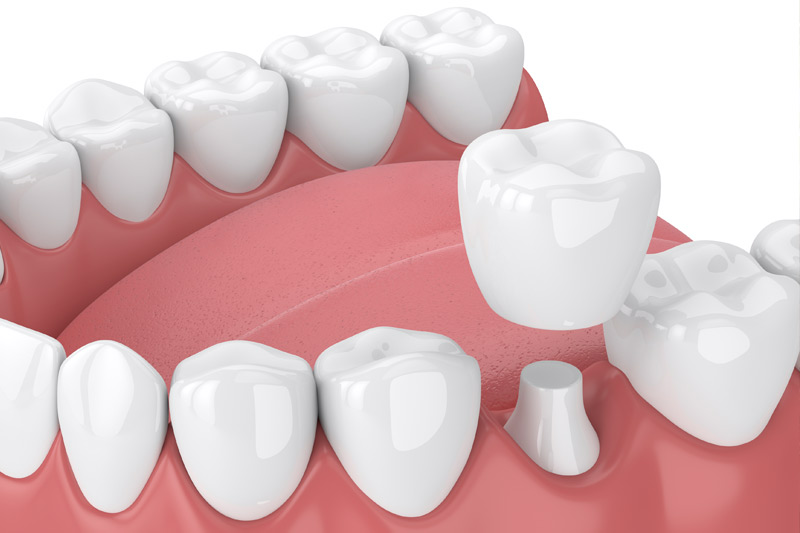
Dental crowns are almost exactly the way they sound – a crown, or cap, for your tooth. Dental crowns help restore a tooth, resulting in a truly aesthetically pleasing appearance.
Here are some of the reasons you need a dental crown:
Reasons for crowns:
- Tooth that is broken or fractured.
- Decayed teeth.
- Cosmetic Benefits.
- Large or Fractured fillings.
- Root canal.
Restore Your Smile Today
Crowns also replace severe cases of tooth decay that have resulted in a large amount of tooth loss. Crowns allow dentists to restore form and function to your tooth without needing to perform an extraction. It is always best to save as much real tooth/enamel as possible.
The Dental Crown Placement Process
This process begins with a consult and exam where we develop a plan for you. We take dental impressions to ensure a precise fit for your tooth. We also treat and resolve any decay or infection prior to placement of the crown.
Once the impressions are ready for your tooth, we place the crown for a proper fit. Once your crown is fitted appropriately, you can again be confident about your dental health and your amazing smile. If you have any questions about Dental Crowns in Fulshear, please call our office at 832-789-1102.
Frequently Asked Questions
What is a dental crown?
A dental crown, also called a “cap,” is a treatment that covers the entire surface of the tooth. A crown protects the inside of the tooth and supports the tooth’s structure and function.
When is a dental crown needed?
A dental crown is often used to restore a tooth that has been affected by extensive decay or damage, such as a large cavity or a fracture in the tooth. Crowns are also commonly used as coverings over root canals and dental implants.
Does it hurt to get a crown?
Dental crown procedures are typically done using local anesthesia, which numbs the area so you won’t feel pain while the dentist works on your tooth. After the numbness wears off, it’s normal to experience some mild sensitivity or soreness, though this usually resolves within a few days.
How long do dental crowns last?
Dental crowns often last 10 to 15 years—or longer in some cases. The lifespan of a crown varies based on the material it’s made from, how well you maintain your oral hygiene, and factors such as teeth grinding or clenching. Routine dental visits allow your dentist to check the condition of the crown and catch potential issues before they worsen.
What is a temporary crown?
Your dentist may use a temporary crown as a placeholder while they are fabricating a permanent crown that properly matches your tooth’s color, shape, and size. A temporary crown keeps your tooth covered and protected until the permanent restoration can be placed, allowing you to continue using your tooth in the meantime.